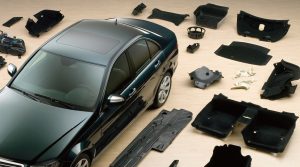
How to reduce the workload of EDM for Auto Injection Mould?
In the processing of auto injection moulds, Electrical Discharge Machining (EDM) is one of the key processes. However, affected by the structure of auto plastic parts, its workload remains high, which seriously affects the mould delivery efficiency. The core problem is that auto parts need a lot of ribs to ensure the strength of plastic parts, and most ribs are more than 60mm high, which requires a lot of EDM processing time. Therefore, reducing EDM workload is the key to speeding up mould delivery.
1. The Core Reason for High EDM Workload
The strength requirement of auto plastic parts determines that they need to be designed with a lot of ribs. Most of these ribs are more than 60mm high. The processing of such high-size ribs is difficult and cannot be completed by conventional cutting processes. It can only rely on EDM processing, which greatly increases the processing time and then increases the overall processing workload.
2. The Core Significance of Reducing EDM Workload
EDM processing time accounts for a very high proportion in the overall processing cycle of auto injection moulds. Shortening EDM processing time is equivalent to directly speeding up the mould delivery speed. It can help car companies quickly match the rhythm of new product trial production and mass production, reduce production cycle costs, and improve market competitiveness.
3. Basic Directions to Reduce EDM Workload
Combined with the processing pain points, we can start from two aspects: first, optimize the rib design, reasonably adjust the height and distribution of ribs on the premise of ensuring the strength of plastic parts, so as to reduce the difficulty of EDM processing; second, improve the precision of early cutting processing, reduce the allowance that needs EDM processing, and thus shorten the processing time.