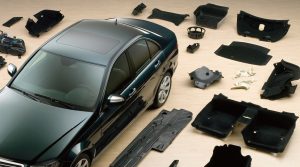
With the development of auto lightweight and energy-saving trends, the application ratio of auto injection moulded parts in the whole vehicle continues to increase, forming a large and complex product system. This paper provides a comprehensive and structured perspective to classify auto injection moulded parts, helping readers clearly understand the function, application scenario and core characteristics of each type of part, and providing basic reference for auto mould design and part production.
1. Core Basis for Classification
The classification of auto injection moulded parts is based on functional use as the core, combined with the differences in installation location and moulding process. It takes into account practicality and systematicness, avoids classification confusion, ensures that each type of part has a clear positioning and clear boundaries, and meets the actual needs of auto production and R&D.
2. Main Categories and Explanations
Body structure parts: Used to form the main body of the auto body, such as bumpers, door inner panels, instrument panel frames, etc. They need to have certain strength and impact resistance to ensure body rigidity and safety.
Interior functional parts: Focus on in-car comfort and convenience, such as seat guards, center console trim, door armrests, etc. They pay attention to appearance texture and hand feel to improve driving experience.
Exterior decorative parts: Used for exterior decoration and protection of the car body, such as grilles, window trim, rearview mirror housings, etc. They take into account aesthetics and weather resistance to adapt to outdoor use environments.
Functional component parts: Cooperate with the operation of the whole vehicle system, such as seals around the engine, air conditioning ducts, wire harness fixtures, etc. They emphasize special performances such as sealing and temperature resistance.
3. Core Significance of Classification
Systematic classification can clarify the system logic of auto injection moulded parts, facilitate targeted optimization of mould design and accurate matching of production processes. At the same time, it provides convenience for part procurement, inventory management and later maintenance, and promotes the standardized development of the auto injection moulded parts industry.